Is AI Transforming the Future of Healthcare? A Deep Dive into Medical AI Revolution","
Artificial intelligence is no longer just organizing your email or powering search engines—it's showing up in hospitals, doctor's offices, therapy apps, and even helping us understand what our pets are trying to tell us. From diagnosing rare diseases that stumped 17 doctors to detecting strokes in seconds and predicting dementia over a decade before symptoms appear, AI is taking on an increasingly human role in healthcare. But with all this potential comes serious questions about trust, accountability, and what this technological revolution means for the future of medicine.
The Promise of AI in Medical Diagnosis and Early Detection
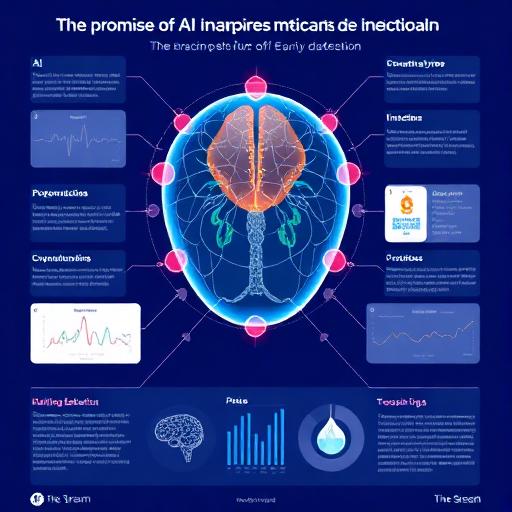
One of the most exciting developments in AI-powered healthcare is its remarkable ability to detect diseases earlier than ever before. A recent breakthrough demonstrates just how transformative this technology can be. Researchers gathered blood samples from approximately 50,000 healthy individuals in the UK, frozen between 2006 and 2010, and then analyzed them 10 to 15 years later with the help of artificial intelligence. The AI was able to uncover patterns of four proteins that could be used to predict early dementia—potentially flagging the condition over a decade before traditional diagnostic methods would catch it.
This early detection capability is particularly crucial for conditions like Alzheimer's disease, where many of the new medical breakthroughs in treatment require very early intervention to be effective. As one medical expert explained, AI is drastically lowering the cost of science and medical research, moving us towards a future of prevention and very early detection. Even the slightest signal that something might be going wrong can be flagged by AI, allowing medical professionals to intercept it before it becomes a serious problem.
Real-World Applications in Emergency Medicine
The practical applications of AI in emergency medicine are already saving lives. One compelling example is Viz.AI, a company that uses AI-powered imaging to detect strokes much faster than conventional methods. In stroke cases, every minute counts—with each passing minute, a patient loses approximately a million neurons. The traditional process of mobilizing a stroke team, getting CT scans, and bringing in interventional neurologists can take precious time.
With AI-powered tools, as soon as a stroke is suspected, doctors can go into an app, upload the CT scan, and initiate a stroke protocol. The entire stroke team gets mobilized much faster than they would through conventional mechanisms. This increased efficiency translates directly into improved patient outcomes and, in many cases, saved lives. The neurologists and emergency room doctors have access to this AI app on their devices, enabling rapid response that was previously impossible.
Understanding AI's Unique Capabilities in Medical Imaging
What makes AI particularly powerful in medical imaging is its ability to detect signals that the human eye simply cannot perceive. According to physicians working at the forefront of AI healthcare, the technology actually picks up signals from images and videos that human doctors don't detect. Part of what makes this both exciting and somewhat mysterious is that researchers don't always fully understand what the AI is looking at in an image to reach its conclusions.
However, this capability requires specialized training. If you were to upload an image of your knee to a general AI like ChatGPT, it wouldn't be incredibly accurate. It might suggest different diagnoses for consideration, which could be helpful for discovering conditions that doctors might not have considered. But for truly accurate diagnosis, the AI needs to be trained on specific medical data—vast amounts of dedicated imaging data for the AI to learn specific features from knee X-rays, CT scans, lung ultrasounds, or whatever type of imaging is being analyzed.
The Promise of Personalized Medicine Through AI

Perhaps the most exciting frontier of AI in healthcare is the move toward truly personalized medicine. The traditional model of medicine often applies similar treatments to patients with similar conditions, but AI opens the door to highly individualized care. Imagine arriving at the hospital with pneumonia, and the AI already has access to your complete genomic data, your medication history, and your entire personal health history.
When you present with a condition, all of this information is automatically taken into consideration. The AI then analyzes what bacteria is more likely to be causing your infection based on your specific circumstances and recommends a personalized treatment plan. For example, it might determine that a particular antibiotic will be most effective for this specific patient in this specific condition. This offloads the clinician's workload and cognitive load while providing more precise and personalized care.
Transforming Critical Care Settings
In intensive care units, physicians see firsthand how standardized treatments often fall short. Many treatments are the same for many patients, but the more medicine can be personalized, the better the outcomes will be. AI has the potential to analyze massive amounts of data about each patient—far more than any human physician could process—and make recommendations that take into account every relevant factor.
This doesn't mean replacing doctors; rather, it means giving them an incredibly powerful co-pilot. Clinicians have enormous amounts of data to sift through and important decisions to make regularly. AI can help synthesize all this information, identify patterns, and suggest treatment approaches that might not be obvious to even the most experienced physicians. The goal is to enhance human decision-making, not replace it entirely.
The Critical Question of Accountability and Liability
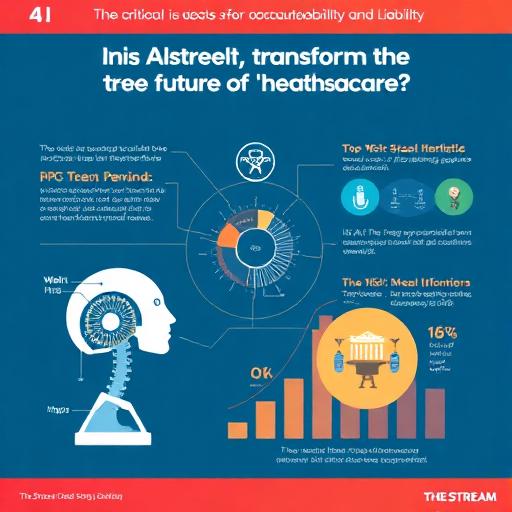
While the potential benefits of AI in healthcare are tremendous, experts are deeply concerned about what happens when things go wrong. The fundamental problem can be summed up in one phrase: accuracy without accountability is incredibly dangerous. There are numerous studies showing that AI is 90-plus percent accurate in diagnosing various conditions or recommending treatments, but the real question remains: who is going to be liable when it makes a mistake?
Consider a scenario where ChatGPT recommends the wrong treatment. Can the patient sue OpenAI? Would OpenAI accept that liability, or have they simply included disclaimers telling users to verify everything for themselves? If so, their liability is off the table—but where does that leave the patient who was harmed? These questions don't have clear answers yet, and this ambiguity represents one of the most significant barriers to widespread AI adoption in healthcare.
The Hidden Harms of AI Medical Advice
Harm from AI medical advice isn't always obvious or dramatic. Consider a patient who gets a CT scan and the AI identifies what turns out to be a benign tumor—essentially harmless. But the identification of this tumor causes tremendous anxiety and stress for the patient, leading to additional testing and additional costs. This cascade of unnecessary worry and expense is itself a form of harm.
Similarly, if someone uploads something to ChatGPT and receives a suggestion that they might have a particular diagnosis, they might then pursue 10 extra tests and imaging procedures. That's additional cost and stress that the patient is bearing without anyone really accountable or responsible for initiating that cascade. This is why many experts argue for a marriage between AI and physicians, where AI helps find new diagnoses that doctors might have missed and suggests new treatment considerations, but humans remain responsible for final decisions.
AI in Mental Health: Promise and Peril
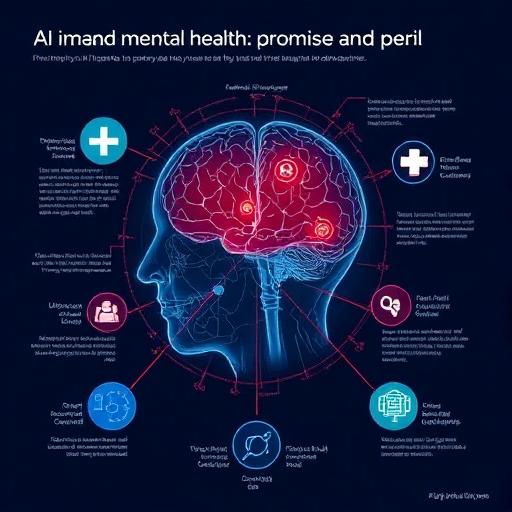
The Harvard Business Review has identified AI for mental health treatment as one of the biggest and most popular pieces of innovation being developed in 2025. There's currently a race among many companies to develop AI models that can deliver actual mental health treatment in a safe and responsible way. However, experts caution that we're nowhere near that point yet, and using base models like ChatGPT for therapy can potentially be harmful.
People are increasingly sharing their experiences using AI for mental health support on social media, with some describing it in glowing terms. Users report having healing conversations with their anxiety using ChatGPT, using role-playing exercises where they ask the AI to pretend to be their anxiety so they can have a dialogue with it. These interactions can feel profound and therapeutic, with the AI providing insights that seem remarkably personal and accurate.
The Role-Playing Potential of AI Therapy
One intriguing aspect of AI mental health support is its ability to facilitate role-playing exercises that would be difficult or impossible to replicate in a traditional therapy room. There are no current treatment models that do exactly what some users are experimenting with on platforms like ChatGPT. In a sense, this technology is opening the door to developing entirely new ways of treating stress, anxiety, and depression.
However, mental health professionals distinguish between using AI in a therapeutic way as a tool or exercise and actual therapy. The best way to think about it might be like picking up a really long, dense self-help book, except you can go right to the page you need, and that page modifies itself to use language that resonates with you personally. It's telling you things in the way that humans like to hear them, because it has memory of your preferences and is trained on massive amounts of data about how humans like to communicate.
Why AI Resonates So Powerfully in Mental Health
The psychological tactics employed by modern AI systems are remarkably sophisticated. If you observe how ChatGPT has evolved with its responses, the amount of reflections it does, and the way it validates and acknowledges what users are saying—it utilizes psychological techniques in what some experts describe as a masterful way. This is the result of millions and millions of dollars in development and training.
Interestingly, the bar to make someone feel connected to an AI system isn't particularly high. This phenomenon was demonstrated as far back as the 1960s at MIT, where researchers created a simple chatbot called ELIZA that was programmed to sound empathic and to reflect in simple ways. The Eliza effect describes how people really thought the system was much more empathic and understanding of their situation than it actually was. Today's AI systems are exponentially more sophisticated, making the potential for users to feel deeply connected—perhaps dangerously so—even greater.
The Warnings About AI Mental Health Support
Mental health professionals have raised serious concerns about using AI like ChatGPT as a therapist. The first major concern is the echo chamber effect. AI systems are designed to give answers based on user input, so if that input reflects certain beliefs, patterns, or biases, the AI is likely to mirror those back. Unlike human therapists, ChatGPT is designed to be more neutral or agreeable. A human therapist's role is often to help you get out of the echo chamber you're already stuck in, whereas AI might reinforce thoughts and beliefs you already have without you even realizing it.
The second concern is that using AI for therapy is isolating by nature. It means more time interacting with your phone or computer and less time interacting with other humans. For many people struggling with mental health issues, the amount of time spent in front of screens versus connecting with other humans is part of the problem. Using AI as a therapist could be giving going to the problem for a solution. Humans need human connection at a biological level.
The Neuroscience of Human Connection in Therapy
From a neuroscience perspective, rewiring the brain and nervous system requires elements that AI simply cannot provide. Humans need co-regulation—the way our nervous systems synchronize with other people's nervous systems. They need the firing of neurons that happens in genuine human interaction, emotional attunement that comes from being truly seen and understood by another person, and the therapeutic alliance with a trusted human to actually move the needle on mental health issues.
No algorithm can replace human healing, according to many therapists. The relationship between therapist and client is itself a major component of therapeutic success. While AI might be able to provide information, validation, or even helpful exercises, it cannot provide the genuine human connection that is often at the heart of healing from trauma, anxiety, or depression.
Data Privacy Concerns in AI Mental Health
A significant concern that often goes overlooked is data collection and privacy. The sensitive information shared with ChatGPT and similar platforms can potentially be stored and could theoretically be sold to external advertising companies. Those companies could then retarget ads based on the insecurities and vulnerabilities that users have disclosed. Imagine sharing your deepest fears and struggles with an AI, only to have that information used to manipulate you through targeted advertising.
People are becoming intimately connected to these AI systems, feeling that the AI knows them in ways that their friends and family don't. Users talk to AI about things they feel they can't discuss with anyone else in their lives. The AI is available at four o'clock in the morning, always there, never tired, never judging. While this accessibility can be comforting, it also raises profound questions about the appropriate boundaries between humans and machines, and about who controls and profits from our most vulnerable moments.
The Global Mental Health Gap AI Could Help Fill
Despite all the concerns about AI in mental health, there's a compelling case for its responsible development. Approximately one billion people globally require some sort of mental health care, but a staggering 85 percent of those people will never see a therapist and will never get the care they need. The ratio of mental health professionals to people in the world is about 13 to 100,000—a vast shortage that human therapists alone cannot fill.
Given these statistics, there is clearly a role for AI in the mental health treatment model. If developed responsibly—taking into account privacy concerns and not using personal information for marketing—AI could potentially do more good than harm. The key distinction is between using base models like ChatGPT as a therapist (which experts do not recommend) versus purpose-built systems designed specifically to provide mental health support in responsible, evidence-based ways.
AI as a Tool Within Human-Led Treatment
One promising approach is using AI as part of a broader treatment plan that still involves human therapists. AI could help users organize their thoughts so they can go into therapy sessions more prepared. It could provide support between sessions, offer exercises and techniques for managing symptoms, and help people access resources they might not otherwise find. The goal would be to extend the reach of human therapists, not replace them.
Right now, there aren't any perfect models out there for this purpose, but they are being actively developed. The potential to heal the world—to reach the hundreds of millions of people who currently have no access to mental health care—is real. But realizing that potential requires careful attention to the risks and a commitment to building AI systems that truly serve users' interests rather than exploiting their vulnerabilities.
AI for Understanding Our Animal Companions
Beyond human healthcare, AI is also being developed to help us understand our pets. For anyone who owns a dog, cat, or other companion animal, the question of what they're thinking and feeling is ever-present. While we can't yet have conversations with our pets, AI is making it increasingly possible to decode animal communication, whether it's dogs, birds, or even dolphins.
Animals use specific sounds and movements to express things like stress, excitement, or hunger. What AI does is look for patterns in these signals to figure out what they might mean. This is accomplished through two key technologies: acoustic analysis, which converts animal sounds into visual data to detect patterns, and computer vision, which analyzes body language and movement to understand what animals are trying to convey.
How AI Decodes Animal Communication
Companies like Baidu are combining acoustic analysis and computer vision to train models that can recognize emotional states in animals. By analyzing huge amounts of data—the way a dog's ear flaps, the pitch of a bark, body posture and movement—AI can begin to decipher what an animal is trying to communicate. Are they stressed? Hungry? Bored? Excited? The AI looks for patterns that correlate with these states and provides interpretations.
The technology is already more advanced than many people realize. Current databases contain indications of what certain animal behaviors might mean, and when AI models are trained on this data, they become remarkably good at understanding the messages animals are trying to convey. By recognizing patterns in body language and even the pitch of vocalizations, AI can provide translations or estimates of what an animal is most likely feeling or wanting.
The Future of Pet Health Monitoring
Perhaps even more revolutionary than understanding what pets want is the potential for AI to help detect when animals are sick. Unlike humans, animals can't tell us when they're in pain or feeling unwell. They often hide symptoms until illness is advanced. AI that can detect subtle changes in behavior, movement, or vocalizations could alert pet owners and veterinarians to health problems much earlier than is currently possible.
The smartphone technology needed for this already exists. Modern phones come with powerful microphones and high-quality cameras capable of capturing the data needed for AI analysis. Users can simply point their phone at their pet or open the microphone to capture audio, send that data for AI analysis, and receive insights about what their animal might be trying to communicate. This future is coming much sooner than many people think.
The Rapid Pace of AI Healthcare Revolution
For those working at the cutting edge of AI development, the pace of change is staggering. The technology required for many of these applications already exists in the smartphones that billions of people carry every day. What's needed now is the development of sophisticated AI models trained on appropriate data, along with the regulatory frameworks and accountability structures to ensure these tools do more good than harm.
The convergence of accessible hardware, increasingly powerful AI models, and growing datasets means that applications that seemed futuristic just a few years ago are becoming practical realities. From detecting strokes in seconds to predicting dementia a decade in advance, from providing mental health support to millions who have no other access to care, to helping us understand our beloved pets—AI is fundamentally transforming healthcare across every domain.
The Need for Healthcare Professional Involvement
One consistent message from experts across all areas of AI healthcare is the critical importance of involving healthcare